Adetar Stencil in Modern Design
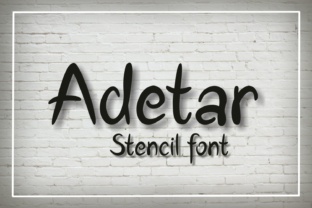
Adetar Stencil has quietly become a defining tool for designers seeking a perfect balance between raw structural form and refined visual communication. In an era where digital polish often dominates, the stencil aesthetic injects a tangible sense of process and authenticity, connecting modern brand identity to the tactile world of screen-printing and industrial signage. Let’s examine how integrating Adetar Stencil into your workflow can elevate your creative assets and strengthen your visual storytelling.
The Unique Appeal of Stencil Aesthetics
Stencil typography carries an inherent narrative of construction and deliberate craft. Unlike continuous stroke fonts, the broken forms of a stencil force the viewer to actively piece together the letterforms, creating a more engaging visual experience. Adetar Stencil, in particular, excels because it combines strict geometric precision with the expressive gaps characteristic of classic stencil design. This creates a visual rhythm that is both structured and strikingly human. For graphic design projects ranging from logo design to packaging design, this texture provides instant depth and character without relying on complex overlays.
Strategic Applications in Branding and Marketing
For brand identity, adopting a stencil approach can communicate strength, industrial heritage, or avant-garde creativity. Startups in the craft beverage or streetwear sectors often leverage this aesthetic to signal authenticity and a hands-on ethos. When used in marketing materials, it commands attention in a crowded feed. A bold headline using Adetar Stencil on a social media graphic announcing a product drop turns the typography itself into a visual signature—the negative spaces become just as recognizable as the letterforms. In packaging design, this style suggests artisanal quality and a raw, unpolished narrative that resonates strongly with modern consumers who value transparency.
Digital and Print Integration
Working stencil typography into web design and UI design requires a thoughtful approach to visual hierarchy and user experience. Because of its distinct cutouts, Adetar Stencil performs best as a display typeface for headings rather than body copy. Using it sparingly—perhaps for key performance indicators, hero section titles, or call-to-action buttons—can break the monotony of standard sans-serif interfaces and immediately guide the user's eye. In editorial design, chapter openers and pull quotes rendered in stencil style provide a powerful contrast against clean column text. For advertising campaigns with a street-level or guerilla feel, it instantly grounds the design in a specific cultural context, reinforcing the overall brand narrative.
Practical Guidelines for Maximum Impact
To make the most of this aesthetic in your design workflow, keep these key factors in mind:
- Prioritize Readability at Scale: Stencil fonts can lose legibility at very small sizes due to the missing segments. Test Adetar Stencil rigorously across all touchpoints, from small mobile screens to large-format print design, to ensure clarity.
- Respect the Visual Hierarchy: Pair the strong stencil style with a clean, unobtrusive secondary typeface. A minimal sans-serif or a delicate serif allows the stencil element to retain its impact without overwhelming the overall composition.
- Curate a Complementary Color Palette: High-contrast color combinations amplify the stencil effect. Monochromatic schemes or bold duotones work best to highlight the unique shapes and negative spaces inherent in the design.
- Ensure Brand System Compatibility: Before adopting it for a permanent asset, test how the stencil aesthetic integrates with your existing iconography and core values. It should enhance the narrative, not contradict it.
- Leverage Design Inspiration Wisely: Look to industrial design, street art, and mid-century signage for contextual cues. Using stencil styles is about aligning with a broader visual culture that values process and materiality.
By thoughtfully selecting the right moments to deploy this creative asset, you signal a commitment to modern aesthetics and deliberate craft. Whether you are refining a brand identity, designing a website, or building a suite of marketing collateral, the tactile precision of stencil design offers a compelling way to capture attention and convey a message with unmistakable clarity. In a crowded digital landscape, embracing distinctive typography is a powerful way to differentiate your work and connect more deeply with your audience.