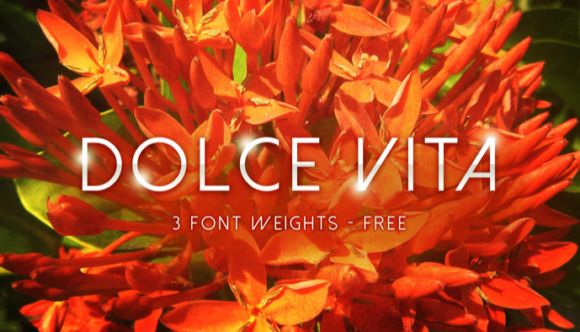
Dolce Vita as a Creative Mindset
For decades, Dolce Vita has conjured images of sun-drenched Italian piazzas, effortless style, and a life lived with pleasure. But beyond the postcard, the concept holds real utility for modern creators, designers, and entrepreneurs. At its core, Dolce Vita is not just about leisure—it is about knowing when to move with intention and when to pause. It is a mindset that balances ambition with quality of experience, and that balance is precisely what makes it useful in creative work today.
When you strip away the clichés, Dolce Vita becomes a practical framework: prioritize richness over speed, craft over volume, and meaning over mere output. For professionals building brands, writing content, or designing products, this shift in perspective can lead to more durable results. The following sections explore how different audiences can adapt this ethos to produce work that feels both polished and genuinely human.
What Makes Dolce Vita Relevant for Creators
Creative professionals often operate under pressure to produce constantly. Yet the most memorable work rarely comes from a frenzy of activity. Dolce Vita offers a counterpoint: the idea that inserting deliberate slowness and sensory awareness into your process can elevate the final result. This is not about laziness. It is about editing with more care, choosing fewer but better elements, and allowing ideas to mature before execution.
For a graphic designer, this might mean spending extra time on typography hierarchy rather than adding decorative elements. For a writer, it could mean reading the draft aloud multiple times until the rhythm feels natural. For a small business owner, it might translate to curating a product line that serves fewer needs but serves them exceptionally well. The common thread is intentionality—a hallmark of the Dolce Vita approach that any creative can apply.
Application in Visual Storytelling and Branding
Visual identity is one area where the Dolce Vita philosophy shines. Brands that lean into this aesthetic often favor warm, natural palettes, generous white space, and imagery that feels candid rather than staged. Think of a coffee brand that uses matte packaging, handwritten-style logos, and photographs that show real hands holding a cup. The message is slow down and savor, and it resonates with audiences tired of aggressive sales tactics.
When building a brand around this idea, keep three principles in mind:
- Simplicity first. Remove any element that does not serve the core emotion or function of the design.
- Texture matters. Whether in physical materials or digital gradients, tactile cues add depth that feels luxurious without being loud.
- Consistency over novelty. A restrained color system and set of shapes repeated across touchpoints builds trust faster than constant reinvention.
Freelancers and bloggers can adapt this by choosing a consistent photo editing style and sticking to it. Over time, that restraint becomes recognizable and builds a loyal following.
Creative Possibilities Across Disciplines
The Dolce Vita lens can be applied to almost any creative medium. Below are several approaches that different users can explore, each grounded in the idea of quality experiences over quantity.
For Writers and Content Creators
Instead of publishing daily short posts, consider a weekly essay that is thoroughly researched and beautifully formatted. Use longer paragraphs, unexpected metaphors, and a voice that sounds like a thoughtful friend rather than an algorithm. Readers will wait for content that feels worth their time. Apply Dolce Vita by treating each piece as a crafted object—edit ruthlessly, let it rest overnight, then edit again.
For Designers and Art Directors
Explore projects that center on ritual and atmosphere. A restaurant menu, for example, can become more than a list of dishes if you pair it with a short story about the ingredients. An event invitation can use a single illustration repeated in subtle variations across different materials. The goal is to create a sense of abundance through careful limitation, not clutter.
For Entrepreneurs and Small Business Owners
Product launches can feel chaotic. Adopting a Dolce Vita pacing means releasing fewer products per year but making each one feel like an event. Invest in packaging that people want to display on their shelves. Write product descriptions that explain the craft behind the item, not just its features. This approach builds a brand story that customers want to participate in, not just consume.
For Educators and Hobbyists
Even teaching and personal projects benefit from this mindset. Design a workshop that moves slowly, with time for reflection between exercises. For a hobby like photography or ceramics, pick one technique to master over a month rather than trying every trend. The satisfaction comes from deepening competence, which in turn makes the work more original.
Adapting Dolce Vita for Different Platforms and Formats
Digital platforms often reward speed, but the Dolce Vita approach can thrive there too when adapted thoughtfully. On social media, this might mean posting three high-quality images per week instead of daily stories, with captions that tell a miniature narrative. On a podcast, it could mean releasing episodes in seasons with deliberate pauses between them, allowing listeners to catch up and anticipate.
For email newsletters, resist the urge to include links to every new post. Instead, send one recommendation per edition—a book, a tool, a recipe—and explain why it matters. The reader feels cared for rather than marketed to. Each format benefits from the same principle: give people something to look forward to, not more noise to scroll past.
Keeping Your Work Clear and Audience-Friendly
While Dolce Vita celebrates pleasure, that does not mean abandoning clarity. In fact, the approach demands it. Audiences sense when a creator is trying too hard to be poetic without substance. To keep work grounded:
- Test your message with one person outside your field. If they describe the idea in simple terms, you are on the right track.
- Leave room for the audience to interpret. Over-explanation kills the magic. Trust your audience to engage with nuance.
- Structure for scannability. Use short paragraphs, clear headings, and bullet points where useful, even if the overall tone is warm.
Organization is not the enemy of beauty; it is the scaffold that lets beauty be seen. A clean structure allows your ideas to breathe, which is the visual equivalent of a leisurely afternoon.
Practical Inspiration for Your Next Project
If you are ready to apply Dolce Vita to your work, start with a small constraint. Choose a single project—a website hero section, a product page, a newsletter issue—and reduce its elements by half. Then spend the saved time refining what remains. This exercise alone can shift your outcome from ordinary to memorable.
Another actionable idea: create a mood board that features not only images but also textures and sounds. Include a playlist of slow Italian jazz or ambient field recordings. Working with sensory cues can unlock a different quality of attention, one that prioritizes feel over efficiency. Many designers and writers report that such an environment helps them produce work that feels cohesive and original.
Finally, share your process. Audiences appreciate authenticity. If you typically design fast, try documenting a slower version of your workflow. The contrast itself becomes content—and it reinforces the value of the Dolce Vita philosophy without needing to preach it.
Balancing Inspiration with Practicality
The most important lesson from Dolce Vita is that creativity and discipline are not opposites. Enjoying the process does not mean ignoring deadlines or budgets. It means building systems that allow pleasure and productivity to coexist. Set realistic timelines that include buffer time for exploration. Collaborate with people whose energy matches your own. Choose projects that excite you enough to sustain the care they deserve.
Creators who master this balance find that their work resonates longer. A blog post written with patience will be bookmarked. A brand identity built with restraint will remain relevant across trends. A product launched with ceremony will be cherished, not refunded. That is the practical reward of the Dolce Vita mindset: work that earns attention through quality rather than demanding it through noise.
Whether you are a marketer planning a campaign, a designer refining a portfolio, or a small business owner shaping your next offer, let Dolce Vita remind you that elegance is not extra—it is essential. Start with one piece of your work. Slow it down. See what emerges.