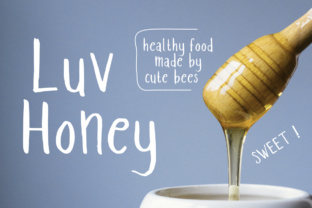
The Sweet Truth About Honey: Why We Luv Honey for Health, Taste, and Everyday Life
Honey has been cherished by humans for thousands of years. From ancient Egyptian tombs to modern kitchen pantries, this golden liquid has earned a reputation as both a delicious sweetener and a natural remedy. But what exactly makes honey so special? And why do so many people today say they luv honey not just for its taste, but for its surprising range of benefits? Whether you are new to the world of honey or a long-time enthusiast, understanding its origins, properties, and practical uses can help you appreciate this gift from nature even more.
What Is Honey and Where Does It Come From?
Honey is a sweet, viscous substance produced by honeybees from the nectar of flowers. Bees collect nectar, mix it with enzymes from their bodies, and store it in honeycombs. Through evaporation and enzymatic activity, the nectar transforms into honey, which bees use as a food source. Humans have been harvesting this surplus honey for millennia.
The flavor, color, and aroma of honey vary depending on the flowers the bees visit. For example, clover honey is light and mild, while buckwheat honey is dark and robust. This diversity is one reason people luv honey—every jar can offer a unique sensory experience. Local honey, often sold at farmers markets, reflects the flora of your region and can even help with seasonal allergies, though the evidence for that is still debated.
Natural Antioxidant Powerhouse
Honey contains a range of antioxidants, including flavonoids and phenolic acids. These compounds help neutralize harmful free radicals in the body, potentially reducing oxidative stress and supporting overall health. Darker honeys, such as Manuka or buckwheat, tend to have higher antioxidant levels. While honey should not replace a balanced diet rich in fruits and vegetables, adding a spoonful to your tea or yogurt can be a simple way to boost your antioxidant intake.
Soothing Sore Throats and Coughs
One of the most well-known uses of honey is for cough relief. Research suggests that honey can be as effective as some over-the-counter cough medicines, especially in children over age one. Its thick consistency coats the throat, while its natural antibacterial properties may help fight infection. Many people luv honey for this reason—it is a gentle, natural option when cold season strikes.
Wound Healing and Skincare
Honey has been used topically for centuries to treat wounds and burns. Its antibacterial and anti-inflammatory properties can help prevent infection and promote healing. Medical-grade honey is sometimes used in clinical settings. For everyday skincare, raw honey can be used as a gentle face mask or added to baths for soft, hydrated skin. Just remember to patch-test first, as some people may have allergic reactions.
Digestive Health Support
Honey acts as a prebiotic, meaning it helps nourish the beneficial bacteria in your gut. Some types, particularly Manuka honey, have shown activity against Helicobacter pylori, a bacterium linked to stomach ulcers. While honey is not a cure-all, incorporating it into a balanced diet may support digestive wellness.
Honey vs. Sugar: Which Is Healthier?
A common question is whether honey is better for you than refined sugar. The answer is nuanced. Honey is sweeter than sugar, so you can use less of it to achieve the same level of sweetness. It also contains trace vitamins, minerals, and antioxidants that white sugar lacks. However, honey is still a sugar and should be consumed in moderation, especially for people managing diabetes or blood sugar concerns. Raw, unprocessed honey retains more of these beneficial compounds than commercial honey that has been heated and filtered. If you luv honey but want to keep your sugar intake in check, use it sparingly as a flavorful accent rather than a main ingredient.
In the Kitchen
Honey is incredibly versatile in cooking and baking. It can be used to sweeten tea, coffee, smoothies, and oatmeal. It adds depth to salad dressings, marinades, and glazes for meats or vegetables. In baking, honey retains moisture better than sugar, giving cakes and cookies a soft, tender crumb. When substituting honey for sugar in recipes, reduce the liquid slightly and lower the oven temperature to avoid over-browning.
As a Natural Energy Booster
Athletes sometimes use honey as a quick source of energy before or during workouts. Its natural sugars—fructose and glucose—are rapidly absorbed, providing a fast energy lift without the crash associated with processed sports gels. A spoonful of honey can be a simple, portable pre-workout snack.
In Natural Home Remedies
Beyond coughs and wounds, honey is used in DIY remedies for allergies, sleep support, and even hangover relief. Mixing honey with warm water and lemon is a classic wellness drink. While these remedies are generally safe, it is important to rely on scientific evidence and consult a healthcare professional for serious conditions. The phrase luv honey reflects a cultural appreciation for honey's role in natural wellness, but it is not a substitute for medical treatment.
Choosing the Right Honey: Raw, Manuka, Local, or Organic?
The honey aisle can be overwhelming. Here is a quick guide to help you choose:
- Raw honey is unheated and unfiltered, so it retains pollen, enzymes, and antioxidants. It may crystallize over time, which is a natural sign of quality.
- Manuka honey comes from the nectar of the Manuka tree in New Zealand and has unique antibacterial properties due to its high methylglyoxal (MGO) content. It is often used for medicinal purposes.
- Local honey is produced near where you live and may contain local pollen. Some people believe it helps with seasonal allergies, though research is mixed.
- Organic honey is produced without synthetic pesticides or antibiotics. Look for certification labels if this is important to you.
If you luv honey for its taste and health benefits, raw and local varieties are often the most flavorful and nutritious. For targeted therapeutic use, Manuka with a high UMF or MGO rating may be worth the investment.
“Honey never expires.”
True—honey does not spoil if stored properly, thanks to its low moisture and acidic pH. However, it can crystallize or change color over time. Crystallized honey is still safe to eat; simply warm the jar gently in a bowl of warm water to restore its liquid consistency.
“All honey is the same.”
Not at all. The floral source, processing methods, and geographical origin all affect honey's flavor, color, and nutritional profile. A jar of wildflower honey can taste completely different from orange blossom honey. Exploring different varieties is part of the fun when you luv honey.
“Honey is vegan.”
This is debated. Vegans often avoid honey because it is produced by bees and harvested by humans. Some consider it an animal product, while others argue that responsible beekeeping does not harm bees. If you follow a vegan lifestyle, you may choose alternatives like maple syrup or agave nectar. The choice is personal.
“Honey is safe for infants.”
No—honey is not safe for children under one year old due to the risk of infant botulism. Their digestive systems are not mature enough to handle spores that may be present in honey. For everyone else, honey is safe and beneficial.
Practical Tips for Incorporating Honey Into Your Daily Routine
- Morning ritual: Stir a teaspoon of honey into warm water or tea for a gentle start to your day.
- Breakfast boost: Drizzle honey over yogurt, oatmeal, or whole-grain toast instead of jam or syrup.
- Salad dressing: Whisk honey with olive oil, lemon juice, and mustard for a simple vinaigrette.
- Snack time: Pair a spoonful of honey with apple slices or cheese for a quick, satisfying bite.
- Evening wind-down: Honey in warm milk or chamomile tea can be a comforting bedtime drink.
Remember that honey is still a sugar, so use it mindfully. A little goes a long way.
Honey and the Environment: Why It Matters
Supporting local beekeepers who practice ethical beekeeping benefits bee populations and biodiversity. Bees are essential pollinators for many crops and wild plants. When you luv honey, you also have an opportunity to support sustainable practices. Look for honey that is responsibly sourced, and consider planting bee-friendly flowers in your garden. Every small action helps protect these vital insects.
Conclusion
Honey is far more than a simple sweetener. It is a remarkable natural product with a rich history, diverse flavors, and a range of practical uses that extend from the kitchen to the medicine cabinet. Whether you are drawn to honey for its taste, its health benefits, or its connection to nature, understanding what makes each jar unique allows you to make informed choices. So the next time you reach for honey, take a moment to appreciate the bees, the blossoms, and the centuries of tradition that bring this golden gift to your table. If you luv honey as much as many people do, you already know there is always more to discover.